
After Service Phone +1(833) 635-0955
SnapFresh Support Community
Welcome to the SnapFresh Support Community!
Here, you can connect with fellow SnapFresh users, share tips and experiences, and get expert advice on all our tools.
Notifications
Clear all

Topic starter
10/01/2026 2:45 am
Power tools, game consoles, and consumer electronics prices expected to rise
Beginning January 1, 2026, the state of California will implement a new battery recycling fee on consumer products containing non-removable lithium-ion batteries.
The regulation will directly impact a wide range of products, including cordless power tools, gaming consoles, and battery-embedded consumer electronics, increasing their final retail prices in the state.
A response to growing lithium-battery waste risks
The new fee is part of California’s broader effort to address the environmental and safety risks associated with lithium-ion battery disposal, particularly fire hazards in landfills and recycling facilities. As battery-powered products become more prevalent, existing e-waste programs have struggled to manage devices with batteries that cannot be easily removed.
Under the regulation, products that contain batteries not easily removable by consumers using common tools will be subject to an additional recycling charge at the point of sale.
Fee structure and limits
According to the policy framework:
-
The recycling fee is set at 1.5% of the product’s retail price
-
The maximum fee is capped at $15 per item
-
The fee is collected at checkout and remitted by retailers to the state to fund battery recycling and safety programs
High-value products are therefore more likely to reach the maximum fee threshold.
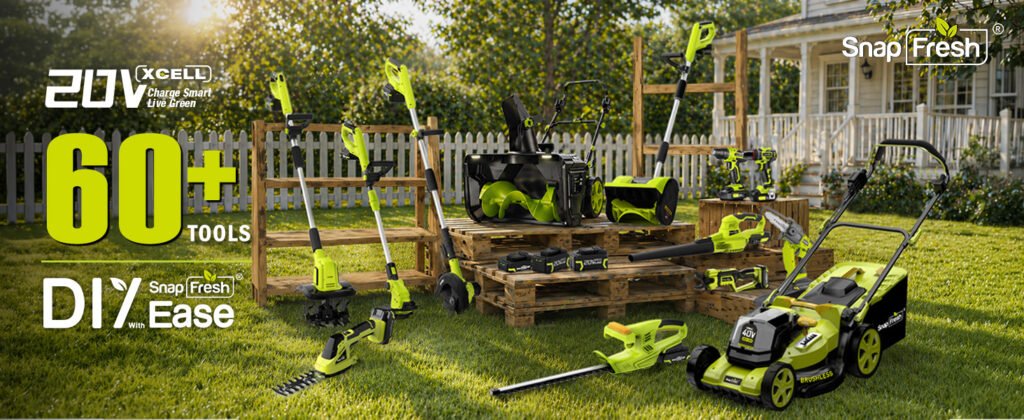
Cordless power tools among the most affected categories
Cordless power tools are expected to be one of the most impacted product segments.
Modern power tools commonly feature:
-
Sealed battery housings
-
Integrated battery designs
-
Non-user-serviceable lithium-ion packs
While these designs improve durability, water resistance, and safety, they also place many tools squarely within the scope of the new regulation.
As a result, consumers purchasing cordless drills, impact drivers, saws, and outdoor power equipment in California will see higher checkout prices starting in 2026.
Not limited to tools
The fee applies broadly to any qualifying battery-embedded product, including:
-
Video game consoles (such as PlayStation and Xbox)
-
Electronic toys
-
Speakers, novelty electronics, and other consumer devices with sealed batteries
If the battery cannot be readily removed, the product is subject to the fee.
Market and industry implications
Industry analysts expect several downstream effects:
-
Retail price increases
Although listed as a separate fee, the cost is ultimately borne by consumers, raising overall price levels in California.
-
Product design reconsiderations
Manufacturers may begin reassessing removable-battery designs to reduce exposure to similar regulations in the future.
-
Higher compliance complexity for sellers
Brands and e-commerce sellers shipping into California will face additional regulatory and administrative requirements.
A potential model for other states
California has historically acted as a regulatory trendsetter in environmental and consumer product policy. Industry observers note that if the program proves effective, similar battery recycling or extended producer responsibility (EPR) frameworks could be adopted by other U.S. states, amplifying its impact across the national power tool and consumer electronics markets.